Selected case studies from BOOLINOR's delivery portfolio. Each example documents a specific integration challenge, the module applied, the implementation approach and the measurable outcome. Client names are withheld by default under our standard confidentiality agreement — sector, challenge and outcome are documented with permission.
BOOLINOR has delivered API integration training and consulting across retail, healthcare, logistics, financial services, public sector and SaaS. The examples below represent a cross-section of engagements from 2022 to 2025.
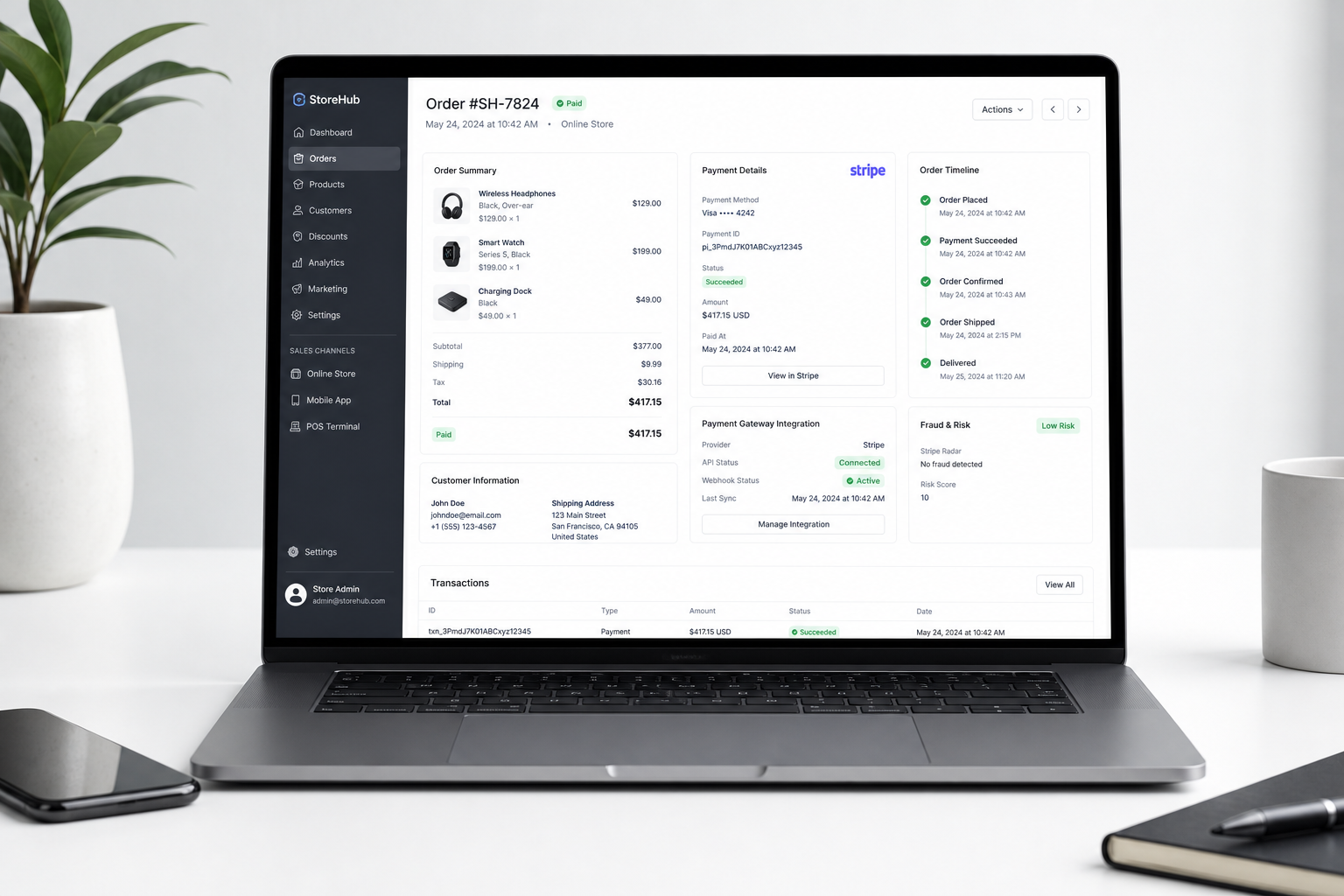
A UK online retail group operating three separate checkout flows across desktop, mobile and wholesale platforms needed a unified payment API layer. Each flow was connected to a different payment provider, using incompatible webhook formats and conflicting idempotency implementations. The result was a growing number of duplicate charges and unmatched transaction records.
BOOLINOR designed a normalisation layer connecting Stripe, Braintree and a legacy on-premises payment gateway through a single internal API surface. Each provider's webhook format was mapped to a unified event schema, idempotency keys were standardised and a reconciliation feed was built to audit transaction matching in real time.
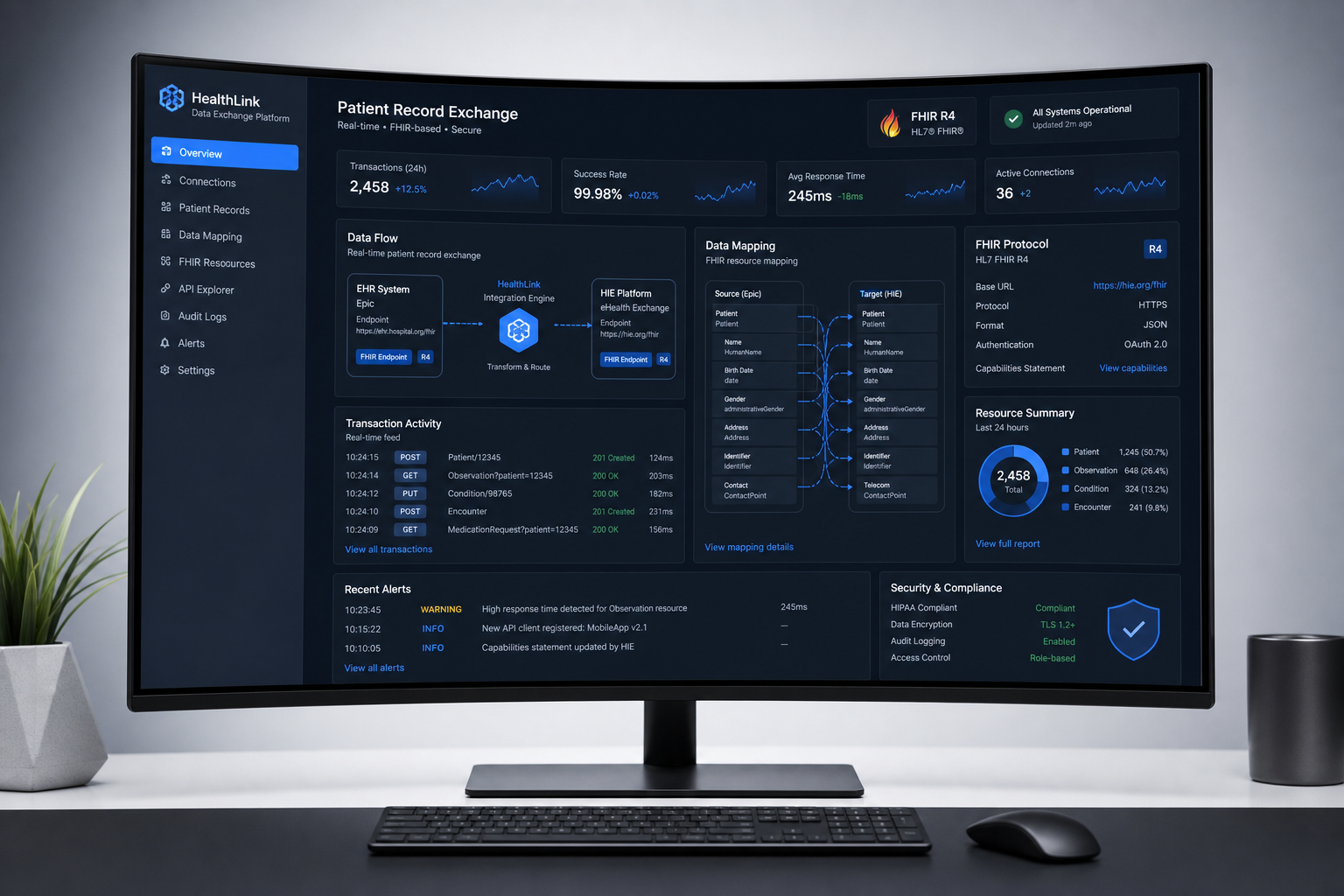
Two healthcare provider organisations operating adjacent patient pathways needed to share structured patient record data across their EHR systems. Both systems nominally supported HL7 FHIR R4 but implemented different resource profiles, used incompatible authentication mechanisms and had no established data mapping between their respective patient identifiers.
BOOLINOR designed and implemented a FHIR conformance layer connecting the two EHR systems via a dedicated integration service. The project included resource profile normalisation, patient identifier cross-referencing, OAuth 2.0 SMART-on-FHIR authentication alignment and a full audit trail for every data exchange event. Training for both technical teams covered FHIR resource types, query patterns and authentication flows relevant to their specific systems.
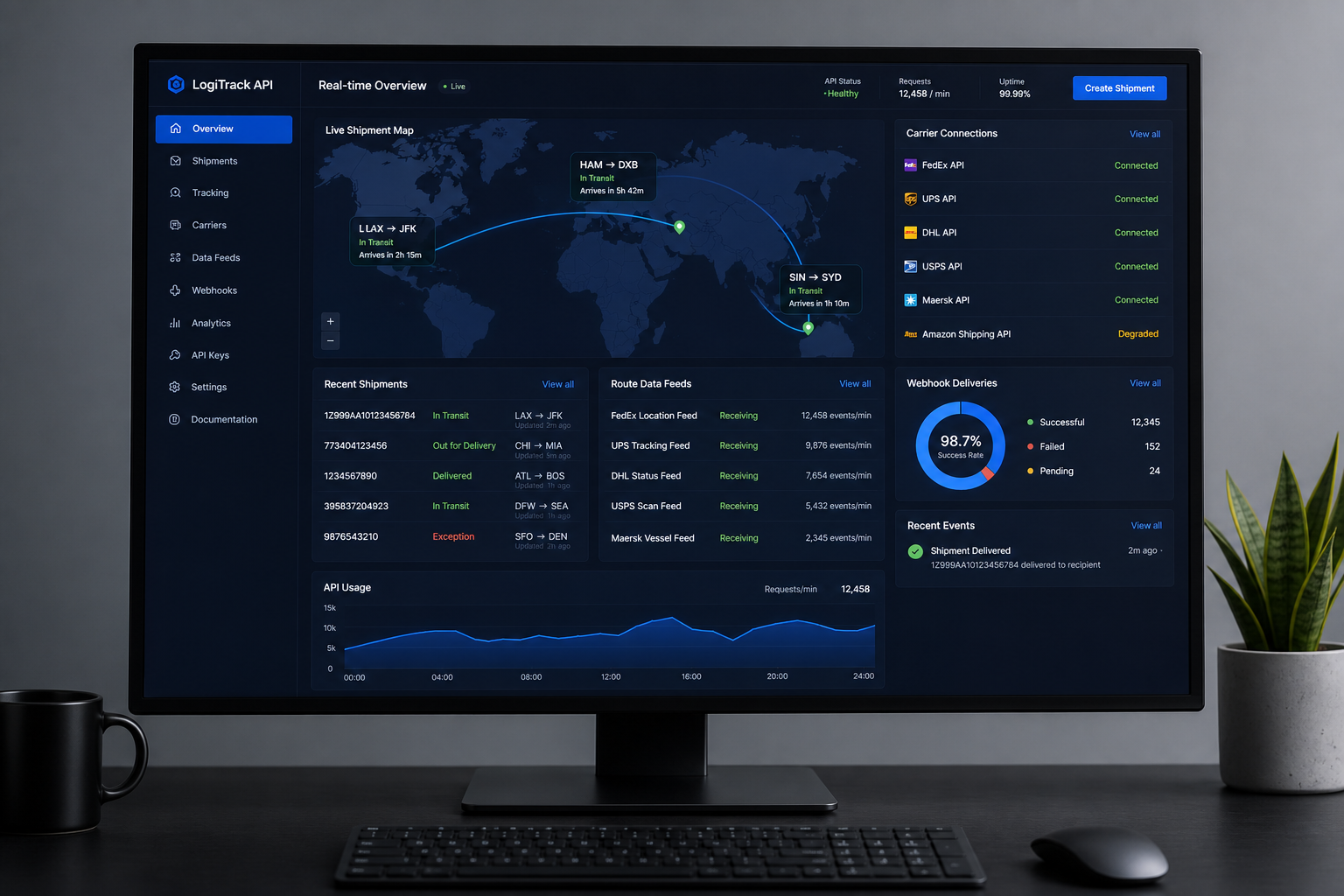
A UK third-party logistics provider was managing shipment tracking across five carrier APIs — FedEx, DHL, Royal Mail, UPS and a regional courier — using a manually maintained spreadsheet process for status updates. Each carrier used a different API format, authentication method and status event model. The team was spending approximately 12 hours per week on manual reconciliation.
BOOLINOR built an automated carrier abstraction layer that normalised all five carrier APIs into a single internal shipment status model. Real-time status webhooks were configured and routed to the client's order management system, automated dispatch triggers were connected to the warehouse management API and a monitoring dashboard was set up to alert on carrier API degradation or delivery failures.
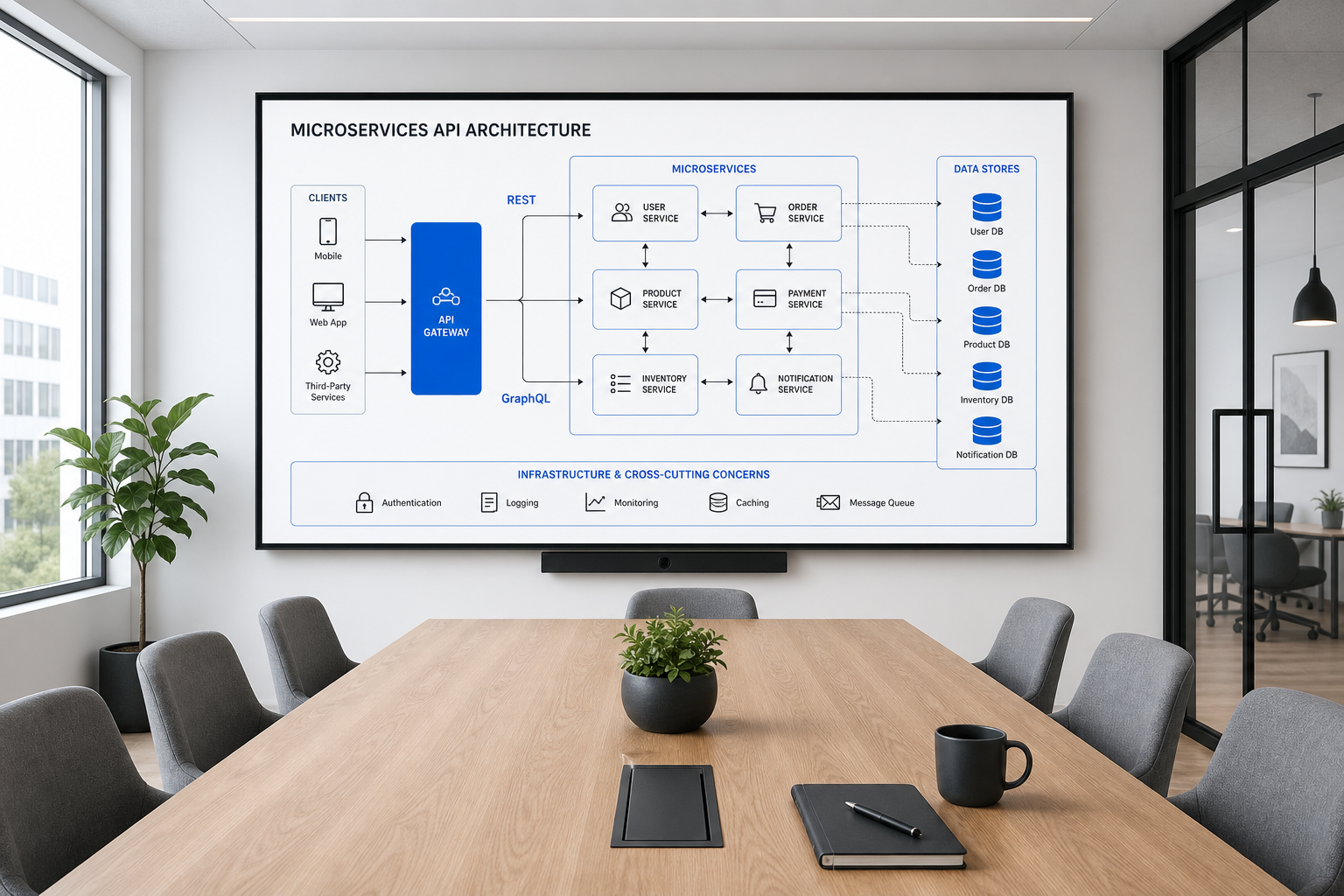
A UK financial services company with an eleven-year-old monolithic application was planning a migration to a microservices architecture. Their development team of eighteen engineers had strong application development skills but limited experience with service-to-service API communication, distributed authentication and the operational requirements of maintaining an API estate at scale.
BOOLINOR delivered a full capability programme covering REST API design standards, inter-service authentication using OAuth 2.0 client credentials, API gateway configuration, event-driven integration using message queues, contract testing and API governance. The programme ran as three cohort groups of six developers over twenty weeks, with a shared architecture review at each milestone and a final team-wide handover documentation session.
Every BOOLINOR engagement begins with a clear scope review. Describe the systems you are working with, the integration problem you need to solve, and we will outline the right approach and timeline.